
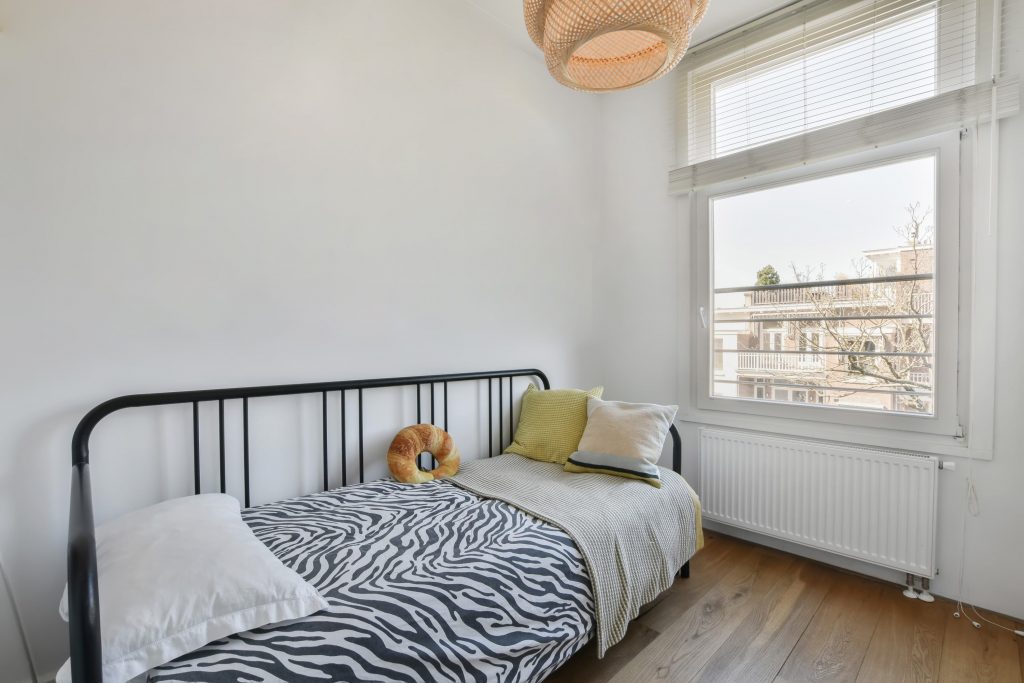
Designing a home for a single person offers a unique opportunity to create a space that fully reflects personal style, comfort, and daily habits. Unlike shared living environments, a single-person home can be tailored entirely to individual needs without compromise. This freedom allows for creative design choices, efficient layouts, and a strong focus on functionality. A well-designed home for singles should balance aesthetics with practicality, ensuring that every part of the space serves a purpose.
Modern lifestyles often require flexibility, especially for individuals who work, relax, and entertain within the same environment. This makes it important to design a home that can adapt to different activities while maintaining a clean and organized appearance. Space optimization, smart storage solutions, and thoughtful furniture choices play a major role in achieving this balance. Even small homes can feel spacious and comfortable when designed with intention and care.
In Home and Garden design, creating a personalized and efficient living space is essential for long-term comfort and satisfaction. By focusing on layout, lighting, and functionality, single individuals can transform their homes into stylish and practical environments that support both productivity and relaxation.
Maximizing Space with Smart Layout Planning
One of the most important aspects of designing a home for a single person is maximizing available space. A smart layout ensures that every area is used efficiently without making the home feel crowded. Open floor plans are particularly effective because they create a sense of flow and make the space appear larger. Combining living, dining, and working areas into a unified layout can improve both functionality and visual appeal.
Furniture placement plays a key role in defining different zones within the home. For example, a sofa can separate the living area from the workspace, while a table can serve both dining and work purposes. Choosing multi-functional furniture helps reduce clutter and allows for better use of limited space. Items such as foldable tables, storage beds, and compact seating can significantly improve efficiency.
Careful planning also includes leaving enough room for movement and comfort. A well-organized layout should allow easy access to all areas without obstruction. By focusing on simplicity and purpose, single individuals can create a home that feels open, organized, and easy to maintain.
Choosing Functional and Stylish Furniture
Furniture selection is essential when designing a home for singles. Each piece should serve a clear purpose while also contributing to the overall style of the space. Instead of filling the home with unnecessary items, it is better to choose fewer but more functional pieces that offer both comfort and utility. This approach helps maintain a clean and modern look.
Multi-purpose furniture is especially valuable in smaller homes. A sofa that can be converted into a bed or a table with built-in storage can help save space while adding convenience. These items allow the home to adapt to different needs, whether it is hosting guests or creating a comfortable workspace. Practical design does not mean sacrificing style, as many modern furniture options combine both elements effectively.
Selecting furniture that matches your personal taste creates a cohesive and inviting environment. Consistent colors, materials, and design themes help bring the space together. By focusing on quality and functionality, you can build a home that is both visually appealing and easy to live in.
Creating a Comfortable and Personalized Living Space
A home for a single person should reflect personality and lifestyle. Personal touches such as artwork, decorative items, and meaningful objects can make the space feel more inviting and unique. These elements help create a sense of identity and make the home more enjoyable to live in.
Comfort is also a key factor in design. Soft furnishings, proper lighting, and well-chosen materials contribute to a relaxing atmosphere. Creating a space where you can unwind after a long day is essential for overall well-being. Even simple additions such as cushions, rugs, or lighting adjustments can make a significant difference.
Personalization does not require excessive decoration. A balanced approach ensures that the home remains clean and organized while still reflecting your style. By combining comfort with personal expression, you can create a space that feels both functional and welcoming.
Efficient Storage Solutions for Organized Living
Storage is an important consideration in any home, especially for single individuals who want to maintain a clean and organized environment. Efficient storage solutions help reduce clutter and make daily life more convenient. Built-in storage options, such as shelves and cabinets, can maximize space without taking up additional room.
Using vertical space is an effective way to increase storage capacity. Wall-mounted shelves and storage units can keep items organized while freeing up floor space. Hidden storage options, such as under-bed compartments or furniture with built-in storage, also provide practical solutions.
Maintaining organization requires consistency and planning. Regularly reviewing and arranging belongings helps keep the space tidy and functional. A well-organized home not only looks better but also improves efficiency and reduces stress.
Designing a Multi Purpose Living Area
For single individuals, it is common to use one space for multiple activities. A living area may serve as a workspace, relaxation zone, and entertainment area. Designing a multi-purpose space requires careful planning to ensure that each function is supported without creating confusion or clutter.
Flexible design elements can help achieve this balance. Adjustable furniture, movable partitions, and adaptable layouts allow the space to change based on needs. For example, a desk can be used for work during the day and transformed into a dining area in the evening. This flexibility makes the home more efficient and practical.
Lighting also plays a role in defining different functions within the same space. Bright lighting can support productivity, while softer lighting creates a relaxing atmosphere. By combining flexibility with thoughtful design, a single living area can meet multiple needs effectively.
Enhancing Lighting and Atmosphere
Lighting is a key element in creating a comfortable and stylish home. Proper lighting improves visibility, enhances design, and influences mood. A combination of natural and artificial lighting creates a balanced and inviting environment.
Natural light is highly beneficial and should be maximized whenever possible. Keeping windows clear and using light-colored materials can help reflect light and brighten the space. Artificial lighting should be layered, including overhead lights, task lighting, and accent lighting to support different activities.
Adjustable lighting options allow you to change the atmosphere based on your needs. Bright lighting can be used for work or daily tasks, while softer lighting is ideal for relaxation. Thoughtful lighting design enhances both functionality and comfort in a single-person home.
Conclusion
Designing a home for a single person offers the freedom to create a space that is both practical and deeply personal. By focusing on smart layout planning, functional furniture, and efficient storage, it is possible to maximize space and maintain organization. Personalization and comfort further enhance the living experience, making the home a true reflection of individual lifestyle.
With the right design approach, even a small space can become a stylish and comfortable environment. Thoughtful choices in lighting, furniture, and layout ensure that the home supports daily activities while remaining inviting and easy to maintain. By combining functionality with creativity, single individuals can create a living space that meets their needs and enhances their quality of life.